Electric vehicles (EVs) are reshaping the automotive landscape with their zero-emission powertrains and advanced technologies. Among these innovations, air suspension systems have gained traction in EVs for their ride comfort, load leveling, and aerodynamic advantages. However, because EVs are highly sensitive to energy consumption, integrating air suspension raises unique questions about efficiency and driving range.
In this article, we explore how air suspension affects EV energy use, what design and control strategies improve efficiency, and how drivers can manage their systems for optimal range performance.
Why Air Suspension in EVs?
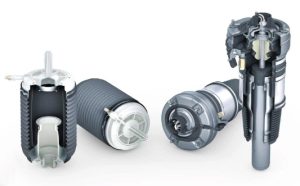
Air suspension systems replace traditional steel springs with air springs (bellows), an air compressor, electronic valves, and sensors. In EVs, they are used for:
-
Ride comfort and adaptability
-
Automatic leveling under load
-
Adjustable ride height for aerodynamics
-
Improved handling and safety
Optimizing these benefits while minimizing energy impact is key in electric applications.
Energy Impact of Air Suspension
Unlike conventional vehicles, EVs draw all energy from a finite battery pack. Any additional power draw—no matter how small—affects range. Air suspension systems consume energy mainly through:
-
Air compressor operation
-
Electronic control units and sensors
-
Actuators adjusting ride height
Let’s look at how significant these draws can be.
Typical Energy Draw Breakdown
| System Component | When Active | Estimated Impact on Energy |
|---|---|---|
| Air Compressor | Filling/leveling | Moderate |
| Sensors & ECU | Always on | Low |
| Ride Height Actuators | Adjusting | Low to moderate |
| Leak Compensation | Frequent cycles | Moderate to high (if leaks present) |
Note: Actual energy use varies by vehicle model, system design, and driving conditions.
How Air Suspension Affects EV Range
1. Compressor Activity
The largest energy consumer in air suspension is the air compressor. In EVs, compressors typically activate when:
-
The vehicle is started
-
Ride height changes
-
Leaks or pressure drops occur
Frequent activations—especially during stop-and-go traffic or rough roads—can draw notable energy from the battery, subtly reducing range.
For example:
-
Short bursts of compressor use: minimal impact
-
Repeated pressure adjustments: higher cumulative drain
2. Aerodynamic Adjustments
A key advantage in EVs is dynamic ride height control:
-
High speed: Lowering vehicle reduces drag, improving efficiency
-
Rough roads: Raising height enhances comfort
This ability to tailor ride height can improve range by reducing aerodynamic drag, especially on highways. When air suspension squeezes even 5–10% drag reduction, the energy saved can offset compressor use over long distances.
3. Weight Penalty
Air suspension adds weight compared to passive springs due to:
-
Compressor and tank
-
Air lines and valves
-
Sensors and electronics
In EVs, every kilogram matters. The extra mass may slightly reduce efficiency, but improved travel comfort and adaptability often justify the trade-off—especially in premium and performance EVs.
Energy-Smart Strategies for Air Suspension in EVs
To balance comfort with range, modern EVs use smart control strategies:
Adaptive Scheduling
Air suspension systems can:
-
Activate compressor only when stationary
-
Delay adjustments until key events
-
Use predictive algorithms (GPS, speed)
Aerodynamic Ride Modes
EVs can include modes such as:
-
Eco/Raise: higher ride in city driving
-
Cruise/Lower: minimum drag at highway speed
Leak Detection and Minimization
Poor seals cause repeated compressor cycles, wasting energy. Regular maintenance prevents needless power draw.
Best Practices for EV Drivers
Here are practical tips to optimize air suspension for energy efficiency:
Use Ride Height Modes Wisely
-
Lower height on highways for better aerodynamic gains
-
Raise height only when needed (rough terrain or obstacles)
Avoid Frequent Compressor Activation
-
Park on level ground when possible
-
Ensure proper tire pressure and load distribution
Maintain the System
-
Inspect air lines and fittings for leaks
-
Replace worn seals promptly
Combine With Eco Driving Techniques
-
Smooth acceleration and regenerative braking
-
Minimizing HVAC load where feasible
Common Misconceptions
Let’s clear up a few myths about air suspension in EVs:
-
“Air suspension always reduces EV range.”
Not always. Smart systems can improve aerodynamic efficiency and offset compressor energy use. -
“Compressor runs constantly.”
Modern systems minimize activations and only run when needed. -
“Passive springs are always more efficient.”
While lighter, they lack aerodynamic and adaptability benefits.
Summary: Pros and Cons
| Benefit | Drawback |
|---|---|
| Enhanced comfort | Adds weight |
| Adjustable ride height | Compressor energy use |
| Improved aerodynamics | Requires maintenance |
| Level load handling | Higher system complexity |
Integrating air suspension into EVs involves nuanced trade-offs between comfort, performance, and energy efficiency. With thoughtful design and smart control strategies, the efficiency impacts can be minimized or even outweighed by gains, especially in drag reduction and adaptability.
If you’re looking for quality components to support your EV’s suspension upgrade or replacement, consider this resource: Buy Air Suspension online
Conclusion
Air suspension systems in electric vehicles deliver clear benefits in comfort, adaptability, and ride quality. While they do introduce additional energy considerations — primarily through compressor load and system weight — modern design strategies and smart control algorithms help mitigate their impact on driving range. By managing ride height for aerodynamics, avoiding unnecessary compressor cycles, and maintaining the system properly, EV drivers can enjoy the advantages of air suspension without significantly compromising efficiency.
Ultimately, when air suspension is well-integrated and intelligently managed, it enhances the EV driving experience and aligns with the broader goal of maximizing range and performance.