Air suspension systems are praised for delivering smooth rides and adjustable comfort. However, they are prone to air leaks due to age, road debris, or faulty components. Detecting and tracing these leaks early is vital to prevent further damage, preserve performance, and avoid costly repairs. In this article, we’ll explore effective techniques and tools to identify air suspension leaks accurately and efficiently.
What Causes Air Suspension Leaks?
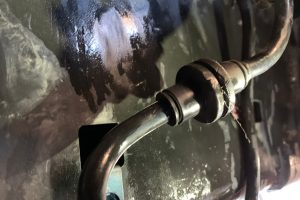
Air suspension systems consist of airbags, air lines, valves, and compressors. A leak can occur at any point, but common causes include:
-
Worn or cracked air lines
-
Damaged air springs/bags
-
Loose fittings
-
Faulty valves or seals
-
Aging components
These issues often develop gradually, so proactive inspection is key.
Tools and Materials for Leak Detection
Before diving into the methods, it’s important to gather the right tools:
Essential Tools
| Tool/Material | Purpose |
|---|---|
| Soapy Water Spray | Detects air bubbles at leak points |
| Air Pressure Gauge | Measures system pressure |
| Leak Detection Dye | Highlights leak areas (requires UV light) |
| UV Flashlight | Works with dye to visualize leaks |
| Hand Pump or Compressor | Applies controlled air pressure |
| Inspection Mirror | Helps view hard-to-see areas |
Optional Tools
-
Electronic ultrasonic leak detector (advanced & sensitive)
-
OBD2 scanner (for electronic air suspension systems)
Step-by-Step Methods to Detect Air Suspension Leaks
1. Visual Inspection
Start with a visual survey of all air suspension components.
Steps:
-
Park the vehicle on a flat surface and lift it safely.
-
Inspect air springs, lines, connectors, and fittings.
-
Look for cracks, abrasions, or signs of wear.
What to Look For:
-
Visible punctures in air bags
-
Loose or disconnected air hoses
-
Corrosion on fittings
Visual inspection alone may not catch subtle leaks, so proceed with additional methods.
2. Soap and Water Test
This classic method is cost-effective and straightforward.
Steps:
-
Mix soap with water in a spray bottle.
-
Apply generously to all fittings, air lines, and springs.
-
Pressurize the system using the vehicle’s compressor.
-
Watch for air bubbles forming at leak points.
Pros:
-
Simple and inexpensive
-
Effective for medium to large leaks
Cons:
-
May miss very small leaks
3. Leak Detection Dye and UV Light
Ideal for finding hard-to-see leaks, especially slow ones.
Procedure:
-
Introduce a UV-reactive dye into the air system (follow manufacturer instructions).
-
Pressurize the suspension.
-
Use a UV flashlight to scan all components.
-
Leaking air will carry the dye to the surface, glowing under UV light.
Advantages:
-
Highly effective at pinpointing small leaks
-
Works well in complex assemblies
Limitations:
-
Requires dye and UV equipment
-
Some dyes may be messy
4. Ultrasonic Leak Detection
Advanced electronic detectors “hear” the sound of escaping air.
How It Works:
-
A sensor picks up high-frequency sound waves generated by pressurized air escaping through a leak.
-
The device translates them into audible signals or visual indicators.
Best For:
-
Technicians with equipment
-
Detecting very small leaks
Cost Consideration:
-
More expensive than basic methods
Common Leak Locations to Check
Air suspension leaks occur frequently in specific areas:
-
Air bags/springs
-
Air lines (especially near wheels)
-
Quick-connect fittings
-
Compressor and valves
-
Control module connections (for electronic systems)
Safety Tips
Before performing any diagnostic:
-
Disconnect the battery (especially for electronic systems).
-
Support the vehicle with jack stands.
-
Wear protective gear like gloves and eye protection.
-
Avoid over-pressurizing the system.
Maintenance Best Practices
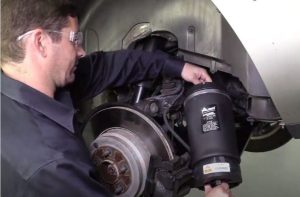
To minimize leaks and extend system life:
-
Inspect air lines periodically
-
Replace worn fittings immediately
-
Keep components clean from debris and chemicals
-
Use high-quality replacement parts
For those looking to replace or upgrade their air suspension components, check out this resource: Buy Air Suspension online
Conclusion
Detecting and tracing air suspension leaks doesn’t have to be a guessing game. By combining visual inspections, simple tests like soap and water, and advanced tools like leak detection dyes or ultrasonic devices, you can accurately locate leaks and take corrective action. Early detection not only improves ride quality but also saves money in the long run. Remember to follow safety practices and maintain your suspension regularly to ensure long-term performance.