Air suspension systems are engineered to deliver smooth, adjustable ride quality in modern vehicles. However, one of the most overlooked enemies of these systems is moisture. When water enters the compressed air network, it can cause corrosion, valve failure, frozen lines in cold climates, and reduced compressor life. This article explores practical strategies to prevent moisture damage, maintain optimal performance, and extend the lifespan of your air suspension system.
Why Moisture Is a Problem
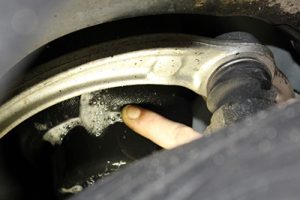
Air suspension systems rely on clean, dry, pressurized air. Moisture can enter through:
-
Condensation within the air tank/compressor
-
Leaks in poorly sealed fittings
-
Frequent system bleeding in humid conditions
Once present, water leads to internal corrosion, blockages, and oxidation of electrical components — all of which contribute to premature failure.
Key Components Affected by Moisture
| Component | Vulnerability to Moisture Damage |
|---|---|
| Air Compressor | Corrosion, reduced efficiency |
| Air Lines | Ice formation in cold weather, clogging |
| Valves & Solenoids | Electrical shorts, sticking |
| Air Springs | Accelerated wear due to contaminants |
| Reservoir/Tank | Rust, sediment buildup |
Practical Tips to Prevent Moisture Damage
Below are actionable methods to minimize moisture ingress and its harmful effects.
1. Use a Quality Air Dryer or Desiccant Filter
One of the most effective steps is installing an air dryer or desiccant filter in the pneumatic system.
Benefits:
-
Removes water vapor before it enters the main air lines
-
Reduces condensation build-up
-
Protects valves and fittings
Desiccant filters are especially useful in humid climates.
2. Regularly Drain Moisture from the System
Even with a dryer, some moisture will accumulate. Make it a habit to drain the reservoir and compressor housing.
Steps to Drain Moisture:
-
Park on level ground
-
Turn off the engine and release air pressure
-
Open the drain valve or plug
-
Allow water to escape completely
-
Close and re-pressurize system
Recommended Frequency:
-
Monthly in humid areas
-
Biweekly in very wet or cold climates
3. Inspect and Seal Fittings
Moisture often enters through improperly sealed connections.
Checklist for Fittings:
-
Tighten loose connections
-
Replace cracked or brittle seals
-
Use quality thread sealant or O-rings
This prevents moisture and air leakage, boosting performance simultaneously.
4. Insulate Air Lines in Cold Climates
In freezing conditions, trapped moisture turns into ice, blocking lines and damaging components.
Best Practices:
-
Use heat-resistant sleeves or wraps
-
Install inline heating elements if necessary
-
Park in a sheltered or heated environment
5. Maintain a Clean Intake for the Compressor
The compressor draws in ambient air, which may contain humidity.
Do:
-
Install a high-quality intake filter
-
Replace or clean filters regularly
-
Avoid dusty or wet environments when possible
6. Periodic System Inspection and Maintenance
Regular inspections help catch moisture-related issues early.
What to Inspect:
-
Air lines for water droplets
-
Compressor housing for rust
-
Valves for slow response or sticking
-
Tank bottom for sediment or corrosion
Moisture Prevention Maintenance Schedule
| Interval | Task |
|---|---|
| Weekly | Visual inspection of air lines and fittings |
| Biweekly (Cold/Humid) | Drain system moisture |
| Monthly | Replace or clean filters |
| Quarterly | Full system diagnostic check |
| Yearly | Professional inspection and servicing |
Tools and Accessories That Help
Here’s a list of useful tools to support moisture prevention:
-
Inline desiccant filter
-
Moisture-indicating air dryer
-
Compressed air tank drain valve
-
Heat tape or insulation wrap
-
High-quality intake filters
-
Diagnostic pressure gauges
These tools save time and protect your system from unseen water damage.
Tips for Storage and Off-Season Care
Vehicles stored for long periods are especially at risk:
-
Release pressure from the air suspension
-
Cover intake ports to prevent humidity entry
-
Store in a dry, temperature-controlled area
-
Use moisture absorbers near the system if parking long-term
Common Misconceptions
-
“Air suspension systems auto-dry themselves.”
They don’t — without an air dryer or filter, moisture accumulates. -
“Only cold climates are at risk.”
Humid climates can be just as damaging. -
“Sealed systems never leak.”
Over time, seals degrade and allow moisture ingress.
For replacement parts or upgrades that help combat moisture damage and improve reliability, consider this resource: Buy Air Suspension online
Conclusion
Moisture damage in air suspension systems can lead to premature wear, reduced performance, and costly repairs. The good news is that most moisture issues are preventable with a proactive maintenance routine. Installing desiccant filters, regularly draining moisture, inspecting and sealing connections, and taking precautions in extreme weather all contribute to a longer-lasting, more reliable air suspension system. Regular attention to these practical tips will help you avoid common pitfalls and enjoy the comfort and performance that your air suspension was designed to deliver.