In modern automotive suspension and steering systems, ball joints play a vital yet often underestimated role. These compact components act as pivot points between the suspension arms and steering knuckles, allowing controlled movement while maintaining structural integrity. Without properly functioning ball joints, steering precision, ride comfort, and overall vehicle stability are severely compromised. This article explains why ball joints are critical for safe and accurate vehicle control, how they work, and what happens when they wear out.
What Is a Ball Joint?
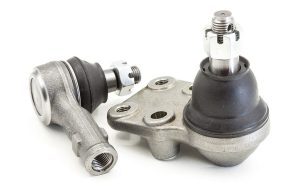
A ball joint is a spherical bearing encased in a metal housing, similar in concept to a human hip joint. It allows multi-directional movement while supporting the vehicle’s weight and maintaining wheel alignment. Ball joints are commonly used in both the front suspension and steering system, especially in vehicles with independent suspension designs.
How Ball Joints Support Steering Precision
Steering precision depends on how accurately the wheels respond to driver input. Ball joints ensure this by:
-
Allowing smooth vertical and horizontal suspension movement
-
Maintaining consistent wheel alignment during turns
-
Minimizing unwanted play in the steering system
When you turn the steering wheel, ball joints enable the wheels to pivot smoothly while keeping them firmly connected to the suspension structure.
Ball Joints and Vehicle Stability
Vehicle stability is directly linked to how well the suspension keeps tires in contact with the road. Ball joints are load-bearing components that help manage forces from:
-
Cornering
-
Braking
-
Acceleration
-
Road irregularities
| Driving Action | Role of Ball Joints | Effect on Stability |
|---|---|---|
| Cornering | Allow controlled wheel pivot | Stable handling |
| Braking | Maintain alignment under load | Predictable stopping |
| Uneven roads | Absorb vertical movement | Consistent tire contact |
| Steering input | Transfer motion accurately | Precise response |
A worn ball joint can introduce excessive play, leading to instability and delayed steering response.
Types of Ball Joints
Different suspension designs use different types of ball joints:
1. Load-Bearing Ball Joints
-
Support vehicle weight
-
Commonly used in lower control arms
-
Critical for structural stability
2. Follower Ball Joints
-
Do not carry vehicle weight
-
Guide steering movement
-
Often located in upper control arms
3. Sealed vs. Greasable Ball Joints
-
Sealed: Maintenance-free, factory lubricated
-
Greasable: Longer service life when properly maintained
Signs of Worn or Failing Ball Joints
Ignoring ball joint wear can lead to serious safety issues. Common symptoms include:
-
Clunking or knocking noises over bumps
-
Loose or wandering steering
-
Uneven or rapid tire wear
-
Vibrations in the steering wheel
-
Poor directional stability at speed
In extreme cases, a failed ball joint can cause loss of steering control, making timely inspection essential.
Why Ball Joint Quality Matters
High-quality ball joints are engineered to withstand constant stress, moisture, and temperature changes. Inferior components may wear prematurely, affecting both steering and suspension geometry.
Benefits of Quality Ball Joints
-
Improved steering accuracy
-
Enhanced driving confidence
-
Longer suspension lifespan
-
Reduced maintenance costs
For reliable and durable components, choose trusted suppliers and verified specifications. Buy Ball Joint online
Ball Joints vs. Other Steering Components
While tie rods and bushings also affect steering, ball joints are unique because they combine movement and load support in one component.
| Component | Primary Function | Impact on Steering |
|---|---|---|
| Ball Joint | Pivot + load support | High |
| Tie Rod | Steering direction control | Medium |
| Bushings | Vibration isolation | Indirect |
| Control Arm | Wheel positioning | Structural |
This makes ball joints one of the most critical safety-related suspension parts.
Maintenance and Replacement Tips
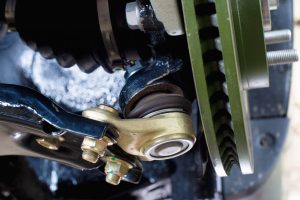
To maintain optimal steering precision and stability:
-
Inspect ball joints during routine suspension checks
-
Replace them in pairs when possible
-
Always perform wheel alignment after replacement
-
Use manufacturer-recommended torque settings
Regular maintenance prevents secondary damage to tires, control arms, and steering components.
Conclusion
Ball joints are essential for steering precision and vehicle stability, acting as the flexible yet strong link between suspension and steering systems. They ensure smooth wheel movement, accurate response to driver input, and consistent tire contact with the road. Worn or low-quality ball joints can quickly degrade handling and compromise safety. By understanding their role and choosing dependable components, drivers can maintain control, comfort, and confidence behind the wheel. When it’s time for replacement or upgrade, be sure to Buy Ball Joint online and keep your vehicle performing at its best.