Air suspension systems offer superior ride comfort, adjustable ride height, and load-leveling — but they also demand careful diagnostics, maintenance, and occasional repair. In this article, we explore how to properly diagnose problems, maintain your system, and safely conduct repairs for longevity and reliability.
Common Symptoms of Air Suspension Problems

Before diving into diagnostics, it’s useful to know the warning signs that indicate your air suspension may require attention:
-
Vehicle sits lower than usual (especially after parking overnight) or has an uneven stance.
-
The compressor runs more frequently or continuously, even when vehicle load hasn’t changed.
-
Loud or unusual noises under the vehicle: hissing, air releasing, buzzing, or grinding.
-
Warning lights or fault codes related to suspension height, pressure sensor, or air pump.
-
Rough ride, bouncing after bumps, nose-diving under braking, or steering instability — which may indicate failing shock-absorbers/dampers working in tandem with the air springs.
If you observe any of these symptoms — do not ignore them. Early diagnostics greatly increase the chance of a simple fix rather than complex or expensive repairs.
Diagnostics: How to Identify the Problem
Here’s a typical diagnostic workflow that many mechanics follow when suspecting air suspension faults:
| Diagnostic Step | What to Look / Do |
|---|---|
| Visual Inspection | Examine air springs (bellows) for cracks, tears or dry rot; inspect air lines, fittings, hoses, and connector O-rings for damage. |
| Leak Test (“Soapy Water Method”) | Spray a soap-and-water solution on air springs, connections, valve block, and air lines; bubbles appearing point to leaks. |
| Air Pressure Test / Compressor Check | Use a pressure gauge (or manufacturer’s diagnostic tool) — if compressor cannot build adequate pressure, or pressure drops quickly, suspect leaks or compressor fault. |
| Check Valve Block & Solenoids | Uneven ride height at a specific corner may indicate a faulty valve or stuck solenoid rather than a leaking bag. |
| Inspect Dampers/Shocks & Seals | Oil leaks from shocks may degrade air sleeves; worn dampers can overwork the air spring, accelerating failure. |
| Electrical / Sensor Check | If warning lights appear but system seems to maintain height, it could be relay, fuse, sensor, or ECU failure — use diagnostic scanner. |
By systematically working through these checks, you can often isolate whether the problem is a simple leak, a failed compressor, bad valve block, or malfunctioning sensors — which guides the proper repair.
Preventive Maintenance & Best Practices
Routine maintenance dramatically extends the lifespan of air suspension. Here are maintenance habits recommended by suspension experts:
-
Regular visual inspection of air springs, hoses, fittings, and connectors — especially rubber components prone to cracking or dry rot.
-
Leak checks at regular intervals (e.g. every 10–15,000 km) — even if no symptoms yet.
-
Drain moisture from the air reservoir / dryer (if applicable), especially after wet or winter conditions — moisture can corrode parts or freeze in cold climate.
-
Keep the system clean: after off-road driving, snow, road salt or mud — wash suspension area to avoid salt/debris build-up that accelerates rubber or metal corrosion.
-
Respect load limits and avoid overloading — excessive loads cause excessive air pressure, overworking air springs and compressor, reducing lifespan.
-
Operate compressor periodically — if vehicle sits unused for long periods, run the system occasionally to keep seals flexible and prevent dry-out.
Maintaining such practices helps avoid common issues and ensures smoother, longer operation.
Repair & Replacement — Tips & Guidelines
When diagnostics confirm a problem, here are recommended practices and cautions for repair or replacement:
Before Repair: Safety & Preparation
-
Depressurize the system fully and disconnect power before working — air springs can hold significant pressure, which may cause injury if released suddenly.
-
Work on a solid, level platform — avoid performing repair on uneven ground or with suspension under pressure, to prevent deformation or damage to bellows.
-
Use proper tools & torques, especially for fittings (e.g. VOSS connectors), to avoid overtightening which can strip threads or cause leaks.
When Replacing Components — What to Check
-
Air Springs / Bellows: Replace if cracks, tears, or bulges appear. Always replace in pairs (both sides of axle) for even ride height and consistent handling.
-
Compressor & Relay: If compressor fails — often due to overwork from leaks — replace compressor and relay; a worn relay may cause overuse and early failure.
-
Valve Block / Solenoids: If ride-height imbalance affects only one corner, or if one air spring won’t hold pressure — valve block may be faulty. Replace if internal leakage or sealing failure.
-
Air Lines & O-Rings / Connectors: Rubber/plastic lines are vulnerable to abrasion, road debris, or dry rot — replace damaged hoses or worn O-rings to restore airtight seal.
-
Sensors & Electrical Components: If fault codes appear with no visible leaks — check ride-height sensors, pressure sensors, wiring and fuses. Replace or recalibrate as needed.
After replacement, run a full system check: inflate/deflate several times, cycle ride-height modes, check for leaks again, and ensure compressor stops running after system stabilizes.
Maintenance Checklist (Periodic & Seasonal)
Here’s a practical checklist to guide you through periodic maintenance of your air suspension system:
-
Inspect air springs for cracks, abrasions, dry-rot or deformation.
-
Examine all air lines, connectors, and O-rings for signs of wear or damage.
-
Perform soap-and-water leak test on bellows, valves, and connections.
-
Drain moisture from reservoir or air dryer (if present).
-
Check compressor for odd noises, overheating, or excessive run-time.
-
Test ride-height sensors and system calibration.
-
On winter check: inspect for rubber hardening, frozen seals, corrosion at connectors.
-
After dirt/road-salt exposure: wash undercarriage and suspension components.
-
Avoid overloading and frequent rapid ride-height changes without need.
When to Replace vs. Repair
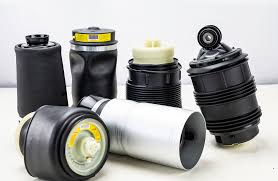
In many cases, small issues (e.g., minor leaks, damaged air lines or bad O-rings) can be repaired — avoiding full component replacement. However, if you notice:
-
Deep cracks or tears in the air spring’s rubber bellow;
-
Compressor overheating or failing even after leak repair;
-
Valve block malfunction (uneven height, corner sagging, internal leaks);
then replacement of the faulty component (or entire module) is often safer and more reliable. Paring replacements (e.g. both air springs, both shocks) helps maintain balance and consistent ride behavior.
Also, when replacing major items — consider buying a full suspension kit or quality aftermarket parts to ensure compatibility and longevity. If you’re looking for components or kits, you can Buy Air Suspension online to find suitable replacement items and full sets.
Conclusion
An air suspension system delivers comfort, adjustability and superior ride quality — but only if properly maintained. Regular diagnostics, simple preventative maintenance (inspection, leak-checks, moisture drain), and prompt repair of worn or damaged parts dramatically extend system lifespan and prevent costly failures. When repairs are needed, approach with care: depressurize, use proper tools, adhere to torque specs, and replace in balanced pairs where appropriate.
Ultimately, a well-maintained air suspension system offers the benefits it promises — smooth ride, stable handling, and adjustable ride height — for many years. If you’re considering upgrading or replacing components, feel free to explore reliable aftermarket kits and parts — and don’t hesitate to Buy Air Suspension online to keep your system in top shape.