Air springs, also known as pneumatic springs, are an advanced suspension solution widely used in modern passenger cars, SUVs, trucks, and commercial vehicles. Unlike traditional steel coil springs, air springs rely on compressed air to support vehicle weight and adapt to changing driving conditions. Their ability to adjust ride height and stiffness makes them essential for comfort, stability, and load management. Understanding how air springs are built, how they function, and what affects their lifespan helps vehicle owners make informed maintenance and replacement decisions.
What Are Air Springs and Why Are They Used?
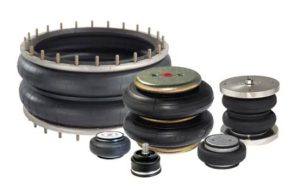
An air spring replaces or supplements a conventional spring using a flexible rubber bladder filled with pressurized air. By adjusting air pressure, the suspension can adapt to vehicle load, road conditions, and driving mode.
Main purposes of air springs:
-
Maintain consistent ride height regardless of load
-
Improve ride comfort by absorbing road irregularities
-
Enhance handling and stability
-
Reduce stress on chassis and suspension components
Air springs are especially popular in luxury vehicles, SUVs, and vehicles with variable payloads.
Construction of an Air Spring
Although designs vary, most air springs share common structural elements.
Core Components of an Air Spring
-
Flexible Rubber Bellows – The airtight chamber that expands and contracts
-
Top and Bottom Mounts – Metal or composite plates that secure the spring
-
Air Inlet/Port – Connects the spring to the air supply system
-
Internal Bump Stop (in some designs) – Prevents bottoming out
Typical Air Spring Designs
| Design Type | Description | Common Applications |
|---|---|---|
| Single Convolute | Compact, simple design | Passenger cars |
| Double Convolute | Greater load capacity | SUVs, vans |
| Rolling Lobe | Smooth motion and durability | Luxury vehicles, trucks |
| Sleeve Type | Long stroke capability | Rear suspension systems |
Each design balances load capacity, comfort, and durability.
Materials Used in Air Springs
The durability and performance of air springs depend heavily on the materials used.
Key Materials and Their Roles
| Material | Function | Benefit |
|---|---|---|
| Reinforced Rubber | Forms airtight bellows | Flexibility and sealing |
| Nylon or Aramid Cord | Reinforces rubber | Strength and shape stability |
| Steel or Aluminum | Mounting plates | Structural integrity |
| Protective Coatings | External surface protection | Resistance to corrosion and UV |
High-quality air springs use multi-layer rubber reinforced with textile cords, allowing repeated flexing without cracking.
How Air Springs Work in Practice
Air springs operate as part of a complete pneumatic suspension system.
Step-by-Step Operation
-
Sensors monitor vehicle height, speed, and load
-
Control unit analyzes driving conditions in real time
-
Compressor adds or releases air from the spring
-
Ride height and stiffness adjust accordingly
At higher speeds, systems often lower the vehicle to improve aerodynamics. Under heavy load, pressure increases to maintain proper ride height.
Advantages of Air Springs Over Coil Springs
Air springs offer benefits that traditional springs cannot easily match:
-
Adaptive ride comfort
-
Automatic leveling under load
-
Improved tire contact with the road
-
Reduced body roll when properly tuned
-
Enhanced towing and cargo stability
These advantages explain their growing adoption across vehicle segments.
Lifespan of Air Springs: What to Expect
Air springs do not last forever, but their service life can be quite long with proper care.
Average Lifespan
| Driving Conditions | Typical Lifespan |
|---|---|
| Ideal conditions | 8–10 years |
| Mixed urban/highway | 6–8 years |
| Harsh climate or heavy load | 4–6 years |
Factors That Affect Air Spring Longevity
Several factors influence how long air springs last:
Key Lifespan Factors
-
Environmental exposure – Heat, cold, road salt, and moisture
-
Load frequency – Regular heavy loads increase stress
-
Air system health – Faulty compressors or valves overwork springs
-
Contamination – Dirt and debris cause abrasion
-
Driving habits – Aggressive driving increases wear
Cracks often develop from the outside inward, especially in cold climates.
Common Signs of Worn Air Springs
Early detection helps avoid further suspension damage.
Warning signs include:
-
Vehicle sagging overnight
-
Uneven ride height
-
Increased compressor noise or frequent cycling
-
Harsh or bouncy ride
-
Visible cracks or air leaks
Ignoring these symptoms can lead to compressor failure and higher repair costs.
Maintenance Tips to Extend Air Spring Life
Proper maintenance significantly improves durability.
Best practices:
-
Inspect air springs regularly for cracks or leaks
-
Keep the undercarriage clean, especially in winter
-
Address compressor or valve faults promptly
-
Replace air springs in pairs for balanced performance
-
Use OEM-quality or equivalent replacement parts
Replacement and Parts Selection
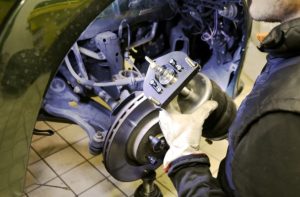
When replacement becomes necessary, choosing the correct air spring is critical for safety and comfort. Poor-quality components may fail prematurely or affect vehicle dynamics.
For a wide selection of reliable, vehicle-specific components, you can Buy Air Springs online. This ensures proper fitment, durability, and long-term suspension performance.
Conclusion
Air springs are a sophisticated suspension solution that combines comfort, adaptability, and load control. Their construction relies on reinforced rubber, durable mounting components, and precise air management to deliver consistent performance across varying conditions. While air springs generally offer a long service life, their durability depends on material quality, environmental exposure, system maintenance, and driving habits.
By understanding how air springs work and what affects their lifespan, vehicle owners can detect problems early, maintain their suspension properly, and choose the right replacement components when needed. Investing in quality air springs and maintaining the pneumatic system ensures optimal ride comfort, vehicle stability, and confidence on every journey.