Air suspension systems provide exceptional ride comfort, automatic leveling, and adjustable ride height — but like any mechanical system, they experience predictable wear patterns over time. Understanding which components typically fail at specific mileage intervals helps vehicle owners plan preventive maintenance and avoid sudden, costly breakdowns.
This article outlines the most common air suspension failures by mileage, explains why they occur, and includes a practical table and checklists to support long-term reliability.
How Mileage Affects Air Suspension Components
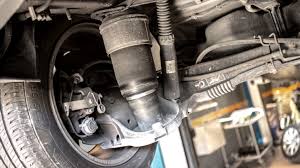
Air suspension systems rely on a combination of rubber bellows, electronic sensors, air compressors, valves, and air lines. Each of these components wears differently depending on driving conditions, climate, load cycles, and maintenance habits.
Mileage-based failure patterns help predict which part is most likely to fail next:
| Mileage Range | Components Likely to Fail | Failure Causes |
|---|---|---|
| 0–60,000 km | Height sensors, small leaks in fittings | Dust, moisture intrusion, early rubber aging |
| 60,000–120,000 km | Air springs, air dryer, compressor relay | Rubber fatigue, moisture saturation, electrical wear |
| 120,000–200,000 km | Compressor, valve block, air lines | Overwork due to leaks, corrosion, internal valve wear |
| 200,000+ km | Full system degradation, ECU issues | Aging electronics, hardened rubber, accumulated corrosion |
These intervals vary by driving habits, but the overall patterns remain consistent across most passenger vehicles.
0–60,000 km: Early Wear & Minor Failures
During early mileage, components do not typically fail catastrophically, but small issues begin to appear:
Common failures:
-
Minor leaks at quick-connect fittings
-
Height sensor wear or calibration drift
-
Rubber bellows showing early surface cracking
-
Air dryer losing efficiency
Symptoms:
-
Slight uneven stance when parked
-
Compressor activating more often than new
-
Intermittent suspension warning lights
Typical repairs:
-
Replace worn O-rings
-
Clean or recalibrate height sensors
-
Inspect underbody for debris, corrosion
-
Check moisture levels in system
60,000–120,000 km: Air Springs Begin to Fail
This is the most common mileage window for air spring (air bag) failure. The rubber bellows experience repeated cycles of stretching, compression, and exposure to changing weather conditions.
Typical failure points:
-
Cracks around lower rolling lobe
-
Dry-rot near folds due to ozone exposure
-
Slow air leaks during overnight parking
-
BG of bellow due to internal rubber separation
Why air springs fail here:
-
Rubber fatigue accelerates after ~80,000 km
-
Constant load cycling weakens structure
-
Road salt and temperature changes accelerate aging
Other failures in this range:
-
Dryer cartridge saturation
-
Compressor relay sticking
-
Rear air shocks losing damping force
Recommended maintenance:
-
Full leak test
-
Replace dryer filter
-
Inspect compressor duty cycle
120,000–200,000 km: Compressor & Valve Block Failures
By this stage, the air suspension system enters the high-wear zone.
1. Compressor Failure
One of the most expensive yet predictable failures.
Reasons:
-
Overwork due to slow leaks in air springs
-
Burned motor windings
-
Clogged or failing air dryer forcing compressor to work harder
-
Valve block leaks causing constant refilling
Symptoms:
-
Vehicle struggles to rise
-
Loud compressor noise
-
Overheating or intermittent running
2. Valve Block (Solenoid Block) Failure
The manifold that routes air to each spring begins to wear internally.
Symptoms:
-
One corner sagging
-
Uneven height after overnight
-
Pressure loss despite new air springs
3. Air Line Degradation
Plastic or rubber air lines may crack, especially in winter climates.
200,000+ km: Full System Aging & Electronic Issues
Vehicles that reach high mileage on their original air suspension often experience multiple simultaneous failures.
Common late-life failures:
-
All air springs hardened or cracking
-
Compressor at end of life
-
Valve block internal leaks
-
Height sensors malfunctioning
-
ECU errors caused by aging circuits
-
Corroded connectors or air line fittings
At this mileage, many owners choose to replace multiple components at once or install a complete suspension kit.
Checklist: Mileage-Based Preventive Maintenance
Every 20,000–30,000 km
-
Inspect air springs for cracks
-
Clean height sensors
-
Check for minor leaks (soapy water test)
Every 50,000–60,000 km
-
Replace dryer cartridge
-
Inspect compressor run-time
-
Check air lines for abrasion damage
Every 80,000–100,000 km
-
Expect first air spring failures
-
Inspect valve block function
-
Check rear shocks for damping loss
Every 120,000–150,000 km
-
Test compressor pressure output
-
Inspect connectors and relays
-
Replace degraded air lines
200,000 km+
-
Consider full system rebuild (springs, compressor, valve block)
Table: Most Common Failure Points by Mileage
| Component | Typical Failure Mileage | Warning Signs | Recommended Action |
|---|---|---|---|
| Height Sensors | 30–70k km | Warning lights, uneven ride | Clean/replace sensor |
| Air Springs | 70–130k km | Sagging, overnight leaks | Replace in pairs |
| Dryer Cartridge | 60–100k km | Moisture in system | Replace cartridge |
| Compressor Relay | 60–120k km | Compressor running nonstop | Replace relay |
| Valve Block | 120–180k km | Corner sagging, uneven stance | Replace or rebuild |
| Air Compressor | 120–200k km | Slow lift, overheating | Replace compressor |
| Air Lines | 100–200k km | Hissing, leaks near fittings | Replace damaged lines |
Need Replacement Parts?
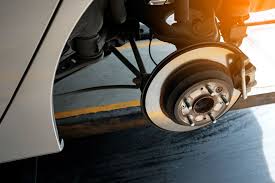
When it’s time to replace air springs, compressors, valve blocks, or full kits, you can Buy Air Suspension online and choose from reliable, high-quality components suited for your vehicle.
Conclusion
Air suspension failures follow predictable patterns based on mileage.
-
Below 60,000 km, issues are usually minor — sensors, O-rings, fittings.
-
Between 60,000–120,000 km, air springs commonly fail as rubber ages.
-
From 120,000–200,000 km, compressors and valve blocks become the main concern.
-
Beyond 200,000 km, the entire system may require rebuilding due to overall aging.
By understanding which components typically fail at each mileage stage, drivers can perform proactive maintenance, reduce repair costs, and keep their air suspension system working smoothly. When replacement is needed, always choose high-quality components to restore performance and reliability.
For trusted replacement parts, don’t forget you can Buy Air Suspension online and keep your system in peak condition.