Air suspension systems have transformed vehicle dynamics by replacing traditional steel springs with air-filled components. This allows adjustable ride height, improved comfort, and consistent handling under varying loads. In this article, we explore the core components of an air suspension system, explain how they function together, and highlight their advantages.
Core Components and Their Roles
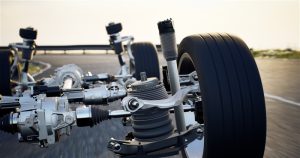
Below is a breakdown of the essential parts that make up an air suspension system, along with their primary functions:
| Component | Function / Role |
|---|---|
| Air Springs (Air Bags / Bellows) | Provide the load-bearing “spring” effect — air pressure supports the vehicle’s weight instead of metal coils or leaf springs. |
| Compressor | Pumps ambient air into the system, inflating the air springs to build and maintain pressure. |
| Air Dryer / Moisture Filter | Removes moisture and contaminants from intake air before it enters the system, prolonging component life. |
| Air Lines (Hoses / Tubing) | Carry compressed air to and from air springs, valves, and reservoir — the “arteries” of the system. |
| Valve Block / Manifold | Controls routing of pressurized air — determines which air springs are inflated or deflated. |
| Height Sensors (or Position Sensors) | Monitor vehicle ride height; send feedback to control unit to maintain level stance or adjust height. |
| Control Unit / ECU (Electronic Control Unit) | Brain of the system — reads sensor inputs, controls compressor and valves to regulate ride height and pressure. |
| Pressure Switch / Relief Valve | Ensures air pressure stays within safe limits; protects components by releasing excess pressure. |
| Air Reservoir Tank (optional but common) | Stores compressed air for immediate or rapid adjustments without stressing the compressor. |
How Air Suspension Works — Step by Step
-
Initial Start / Standstill
-
When the vehicle is parked or loaded, the control unit checks height sensors.
-
If ride height is too low (e.g. heavy load), the compressor activates and pumps air through the dryer into the valve block.
-
Air flows through air lines into air springs, lifting the vehicle to set height.
-
-
Cruising / Dynamic Adjustment
-
If the vehicle goes over bumps or the load shifts, height sensors detect deviations.
-
The control unit adjusts valves to add or release air, keeping ride stable and level.
-
-
Descent / Unloading / Lowering
-
When load is removed (or driver selects “lowered” mode), valves vent air out of springs.
-
Pressure switch/relief valve ensures safe pressure during release.
-
-
Standby / Pressure Maintenance
-
System periodically checks pressure and ride height.
-
Compressor may top up air to maintain preload; dryer removes moisture during intake.
-
Supporting Components & Additional Features
Beyond the core parts, many air suspension systems integrate optional or supportive components for enhanced performance:
-
Shock Absorbers / Dampers — Work with air springs to control bounce and rebound, ensuring ride comfort.
-
Leveling Switch / Manual Height Control — Allows driver to manually select ride height modes (e.g. low, normal, high).
-
Digital Control Panel / Smartphone App — Enables real-time adjustment and monitoring of suspension status.
-
Load-Leveling Sensors / Load Compensation — Automatically adjust for heavy cargo or towing.
-
Dual-Zone (Front / Rear) Height Control — Independently adjust front and rear ride height for optimal balance.
Why Air Suspension Over Traditional Springs?
-
Variable Ride Height / Load Adaptability
With air springs, you can raise the vehicle for rough terrain or heavy load, and lower it for easy loading or better aerodynamics. -
Improved Ride Comfort
Air absorbs road shocks more smoothly than metal springs; adjustable damping offers a smoother, more controlled ride. -
Consistent Handling Under Load
Whether empty or fully loaded, air suspension keeps the vehicle level, maintaining stability and handling performance. -
Customization & Versatility
Great for trucks, vans, SUVs, campers — users can fine-tune ride height and stiffness to their needs.
Common Challenges and Maintenance Tips
-
Moisture & Corrosion
Moisture in compressed air can corrode metal valves or freeze in cold weather. Using a quality dryer/filter and periodic drain maintenance helps. -
Air Leaks
Worn air springs, cracked hoses, or loose fittings can cause leaks — regular inspection is recommended. -
Compressor Overuse / Overheating
Frequent adjustments strain the compressor; using a reservoir tank and avoiding rapid repeated changes prolongs its life. -
Sensor or ECU Faults
Faulty height sensors may lead to improper ride height — periodic system checks and diagnostics are valuable.
Real-World Configuration Example
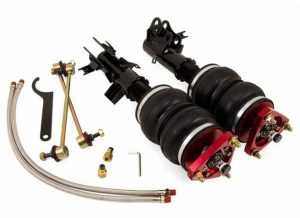
A typical modern air suspension setup might look like this:
-
Two air springs at the rear axle (for load leveling), two air springs at front — or paired per wheel.
-
A single compressor with an air dryer, connected to a 400 ml air reservoir tank.
-
A 4-port valve block for independent inflation/deflation of each spring.
-
Height sensors mounted on control arms, feeding data to a central ECU.
-
A digital in-cab controller enabling “raise”, “lower”, or “auto-level” modes.
This configuration allows the driver to quickly adjust ride height (e.g. reduce height for highway efficiency, raise for off-road / heavy load), while the system auto-levels as load changes.
Conclusion
Air suspension systems — composed of air springs, compressors, valves, sensors, and a control unit — offer flexibility, comfort, and adaptability that traditional spring systems simply cannot match. By automatically adjusting air pressure in response to load and road conditions, they provide a smooth ride, consistent handling, and ride-height customization. For anyone seeking the benefits of adjustable suspension, robust load handling, or ride comfort tuning, air suspension is a compelling upgrade.
If you’re ready to explore components or kits, you can Buy Air Suspension online and begin retrofitting your vehicle for the ride quality, versatility, and performance that only a properly configured air suspension system can deliver.